
Description
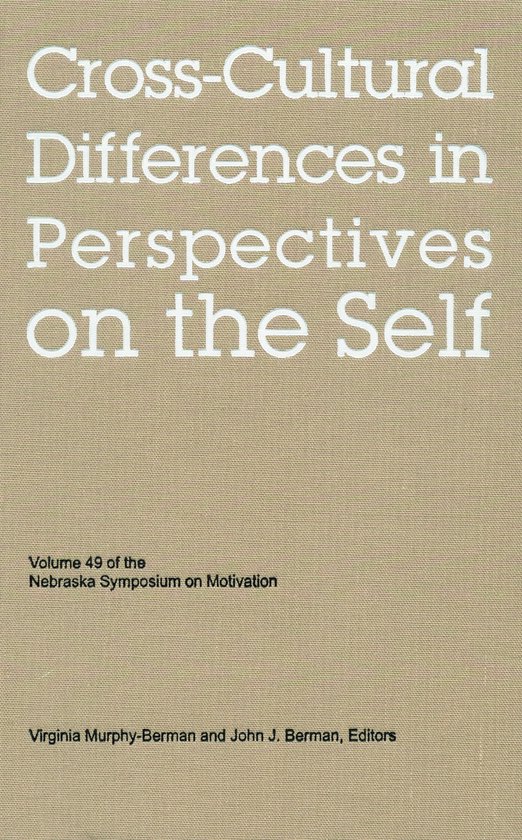
Features research in a dynamic area of inquiry and practice. This book considers cross-cultural differences in the idea of the person and in models of balancing obligations to the self, family, and community. It also questions the concepts of self and self-worth. Cross-Cultural Difference in Perspectives on the Self features the latest research in a dynamic area of inquiry and practice. Considered in these pages are cross-cultural differences in the idea of the person and in models of balancing obligations to the self, family, and community. Revisiting and questioning the concepts of self and self-worth, the authors investigate the extent to which factors traditionally associated with psychological effectiveness (intrinsic motivation; assuming personal responsibility for one’s actions; and feeling in control, unique, hopeful, and optimistic) are culturally bound. Hazel Markus and Shinobu Kitayama consider cultural differences in models of psychological agency; Joan Miller critiques the meaning of the term agency, analyzing the extent to which many popular theories in psychology rest on rather narrow Western models of behavior and effective functioning; Steven Heine calls into question the presumed universality of some forms of cognitive processing; Sheena Iyengar and Sanford DeVoe apply a cross-cultural perspective to better understand intrinsic and extrinsic motivation and the value of choice; Kuo-shu Yang questions the universality of the pervasive and popular “theory of self-actualization” formulated by Abraham Maslow; and finally, Ype Poortinga reexamines not only the cultural boundaries of theory but also the very meaning of the concept of culture itself. LangueenVersionCouverture rigideDate de sortie initiale01 décembre 2003Nombre de pages344IllustrationsNon
Personnes impliquées
Auteur principal
Nebraska Symposium
Deuxième auteur
John J. Berman
Coauteur
Virginia Murphy-Berman
Rédacteur en chef
Virginia Murphy-Berman
Deuxième rédacteur
John J. Berman
Editeur principal
University Of Nebraska Press
Informations sur le fabricant
Nom du fabricantLibri GmbHAdresse électronique du fabricant[email protected]Informations sur le fabricantLes autres informations du fabricant ne sont actuellement pas disponibles
Autres spécifications
Hauteur de l’emballage32 mmLargeur d’emballage159 mmLargeur du produit152 mmLivre d‘étudeNonLongueur d’emballage229 mmLongueur du produit229 mmPoids de l’emballage590 gPolice de caractères extra largeNonÉditionNew titre
EAN
EAN9780803213333
Sécurité des produits
Opérateur économique responsable dans l’UE
Afficher les données
Vous trouverez cet article :
Catégories
Hommes et société
Développement personnel
Politique
Psychologie populaire
Science politique et Théorie
Livres
Livre, ebook ou livre audio ?
Livre
Disponibilité
Disponible à l’adresse suivante
Langue
Anglais
Type de livre
Hardcover





Avis
Il n’y a pas encore d’avis.