
Description
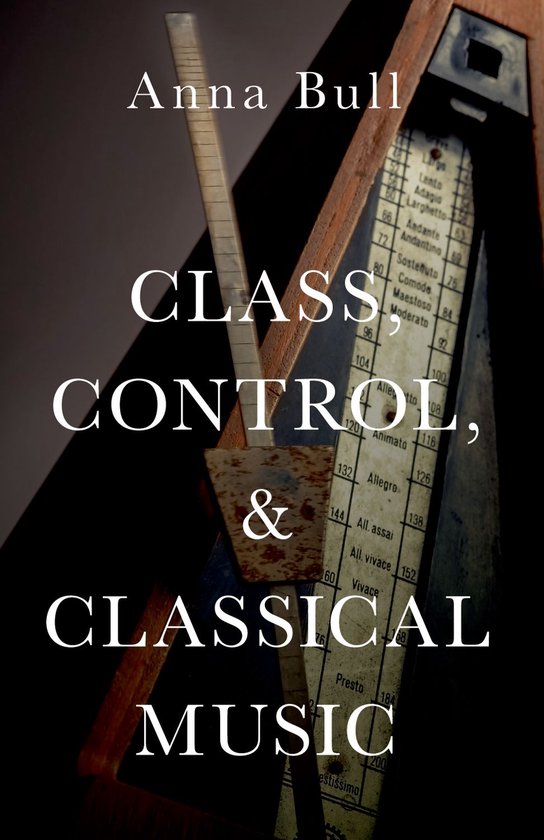
Why is classical music predominantly the preserve of the white middle classes? Through a richly detailed ethnography, this book contributes to this ongoing debate with a timely and provocative intervention, locating classical music within one of the cultures that produces it – middle-class English youth – and foregrounds classical music as bodily practice of control and restraint. Why is classical music predominantly the preserve of the white middle classes? Contemporary associations between classical music and social class remain underexplored, with classical music primarily studied as a text rather than as a practice until recent years. In order to answer this question, this book outlines a new approach for a socio-cultural analysis of classical music, asking how musical institutions, practices, and aesthetics are shaped by wider conditions of economic inequality, and how music might enable and entrench such inequalities or work against them. This approach is put into practice through a richly detailed ethnography which locates classical music within one of the cultures that produces it – middle-class English youth – and foregrounds classical music as bodily practice of control and restraint. Drawing on the author’s own background as a classical musician, this closely observed account examines youth orchestra and youth choir rehearsals as a space where young people learn the unspoken rules of this culture of weighty tradition and gendered control. It highlights how the middle-classes’ habitual roles – boundary drawing around their protected spaces and reproducing their privilege through education – can be traced within the everyday spaces of classical music. These practices are camouflaged, however, by the ideology of ‘autonomous art’ that classical music carries. Rather than solely examining the social relations around the music, the book demonstrates how this reproductive work is facilitated by its very aesthetic, of ‘controlled excitement’, ‘getting it right’, precision, and detail. This book is of particular interest at the present moment, thanks to the worldwide proliferation of El Sistema-inspired programmes which teach classical music to children in underserved areas. While such schemes demonstrate a resurgence in defending the value of classical music, there has been a lack of debate over the ways in which its socio-cultural heritage shapes its conventions today. This book locates these contestations within contemporary debates on class, gender and whiteness, making visible what is at stake in such programmes. LangueenVersionBrochéDate de sortie initiale14 novembre 2022Nombre de pages264IllustrationsNon
Personnes impliquées
Auteur principal
Anna Bull
Editeur principal
Oxford University Press Inc
Informations sur le fabricant
Nom du fabricantMare Nostrum Group B.V.Adresse électronique du fabricant[email protected]Informations sur le fabricantLes informations du fabricant ne sont actuellement pas disponibles
Autres spécifications
Hauteur de l’emballage18 mmHauteur du produit15 mmLargeur d’emballage158 mmLargeur du produit159 mmLivre d‘étudeNonLongueur d’emballage340 mmLongueur du produit238 mmPoids de l’emballage394 gPornoNon
EAN
EAN9780197646069
Sécurité des produits
Opérateur économique responsable dans l’UE
Afficher les données
Vous trouverez cet article :
Catégories
Art et Photographie
Musique
Livres
Livre, ebook ou livre audio ?
Livre
Disponibilité
Disponible à l’adresse suivante
Langue
Anglais
Type de livre
Paperback





Avis
Il n’y a pas encore d’avis.