
Description
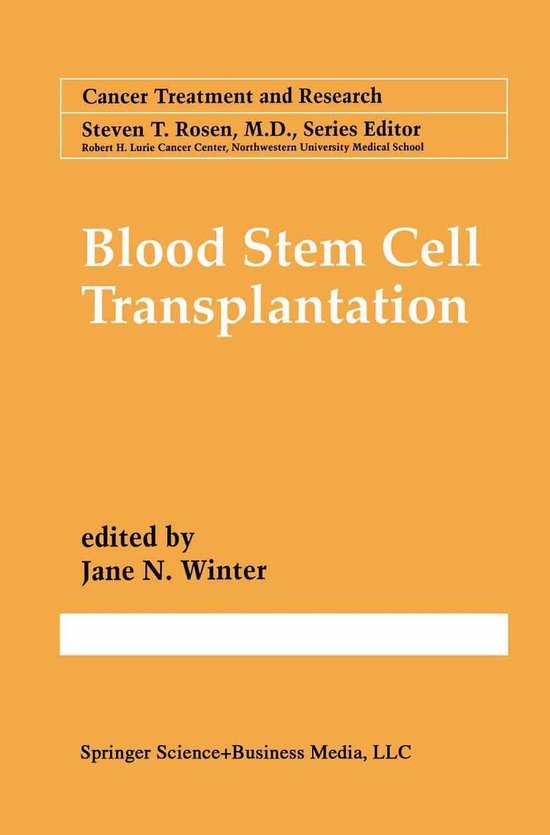
Blood Stem Cell Transplantation conveys the excitement that accompanies the newest developments in hematopoietic stem cell transplantation. Some of the applications that stand to impact this field most significantly are based on recent advances in the biological sciences, as demonstrated by the chapters on gene therapy, on the detection of minimal residual disease using molecular techniques, and on the use of radioimmunoconjugates targeting lymphoma and leukemia-associated antigens. Others are the results of clinical observations – e.g., the association between graft-versus-host- disease (GVHD) and durable remissions that have led to creative clinical experiments such as donor leukocyte infusions (DLI). Attempts to unravel the biological events that underlie the responses seen in patients with relapsed chronic myelogenous leukemia treated with DLI are likely to provide the basis for future refinements in this clinical approach. Hopefully, improved response rates and reduced toxicity will result. The power of the immunologic response in controlling malignant disease is underscored in the chapter on post-transplant immunotherapy. The complex immunologic process that results in clinical GVHD may be dissected and engineered to provide clinical benefits that include, in addition to its antineoplastic effects, the amelioration of its clinical manifestations. Better control of GVHD with less global immunosuppression will facilitate the use of mismatched and unrelated donors. This area of investigation perfectly illustrates the continued interplay between the laboratory and the clinic. The continued cross-fertilization of ideas between immunologists, molecular biologists and clinical investigators is likely to yield important advances in this field for years to come. Possible applications of stem cell transplantation continue to grow with the identification of alternative sources of stem cells and the potential to engineer and/orexpand the graft. Although the use of unrelated and mismatched donors continues to increase, the possibilities associated with umbilical cord blood transplantation are legion, especially if stem cells can be expanded ex vivo to provide grafts for full-sized adults. Using techniques in which contaminating malignant cells may be eliminated from autografts through positive selection, autologous transplantation may prove highly effective, especially when coupled with post-transplant immunotherapy. Some of these same methodologies have helped facilitate the use of autologous grafts for transplantation in patients with chronic myelogenous leukemia without allogeneic donors. Advances in the supportive care of transplant patients, including the pretransplant identification of those at risk from pulmonary complications and the use of cytokines to speed engraftment, have reduced morbidity and mortality to such a degree that it is appropriate to consider high-dose therapy and stem cell reconstitution in patients with nonmalignant diseases. The impressive advances that have occurred in transplantation for thalassemia are described by pioneers in their area of investigation. The burgeoning field of transplantation for autoimmune disorders, including its immunobiologic basis and soon-to- be-realized clinical potential, is also summarized. Continued progress in the use of high-dose therapy with stem cell rescue for the treatment of pediatric tumors, which derives in part from improved supportive care, is detailed. The sobering voice of the health care economists underscores the necessary limitations to our seemingly unbridled imagination. Cost- consciousness and financial know-how will need to be reflected in future study designs. Given the seemingly endless applications of our technology, strategies to insure its cost-effectiveness will be necessary. Continued financial support for laboratory investigation and for the clinical experiments they generate will be required if we are to go forward. Blood Stem Cell Transplantation lays the foundation for many of these future advances; it is incumbent upon us all to insure its realization.
LangueenVersionlivre numériqueDate de sortie initiale06 décembre 2012Format ebookAdobe ePubIllustrationsNon
Personnes impliquées
Auteur principal
Jane N. Winter
Rédacteur en chef
Jane N. Winter
Deuxième rédacteur
Jane N. Winter
Editeur principal
Springer
Options de lecture
Lisez cet ebook surOrdinateur de bureau (Mac et Windows)Windows (smartphone et tablette)Lecteur électronique KoboiOS (smartphone et tablette)Android (smartphone et tablette)
Informations sur le fabricant
Informations sur le fabricantLes informations du fabricant ne sont actuellement pas disponibles
Autres spécifications
Hauteur de l’emballage28 mmLivre d‘étudeNon
EAN
EAN9781461563495
Sécurité des produits
Opérateur économique responsable dans l’UE
Afficher les données
Vous trouverez cet article :
Catégories
Médecine et Soins infirmiers
Médecine clinique et Interne
Médecine spécialisée
Maladies et Troubles
Pharmacologie
Oncologie
Livres
Livre, ebook ou livre audio ?
Ebook
Disponibilité
Disponible à l’adresse suivante
Langue
Anglais
Toegankelijkheidsinformatie
Bevat toegankelijkheidskenmerken




Avis
Il n’y a pas encore d’avis.