
Description
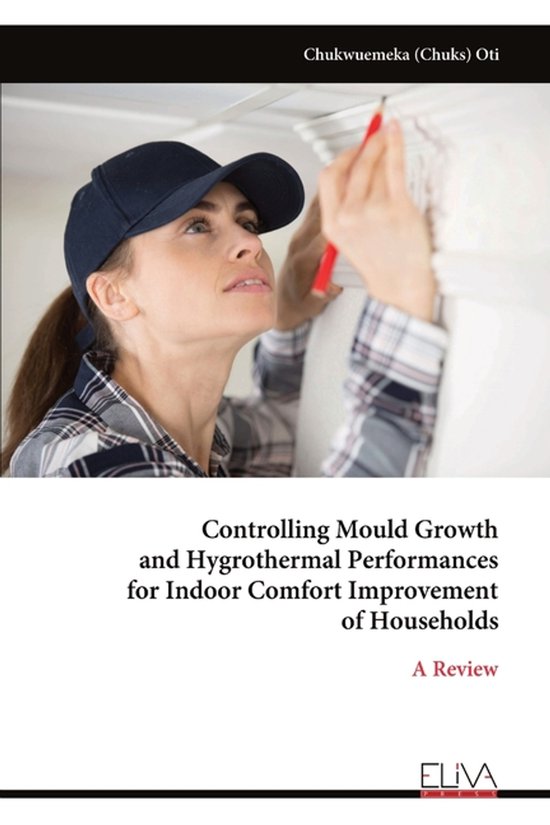
Space heating/cooling energy requirements represents one of the most significant proportions of a domestic building’s energy consumption in the temperate regions of the world. There is therefore huge potential for energy demand minimisation (and therefore reduction in any fossil fuel utilisation and associated carbon footprints) if heating/cooling processes of residential buildings are optimised. The quality of a building’s hygrothermal insulation can be heavily compromised by the presence of cold spots at heat transfer boundaries of households. Hygrothermal behaviours in residential buildings influences indoor environmental quality, structural durability, and energy performance: moisture accumulation, indoor aesthetic depletion, inadequate thermal comfort and indoor moulds are common issues that could result from these cold spots, and the persistence of these issues further worsen the cold spots problems that was a leading causative factor for them. As indoor mould growth poses health risks and accelerates material degradation of residential building envelopes, advances in indoor hygrothermal conditions simulation and mould growth modelling should provide new opportunities to optimise building envelopes for mould growth control, durability and energy efficiency. This paper reviews the interplay between hygrothermal processes, mould growth development, and heating/cooling energy performance, drawing on historic and recent peer-reviewed studies to show the progress so far in terms of research strategies and modelling approaches towards the optimisation of this interplay. The findings of this review paper highlight the importance of integrated hygrothermal-energy modelling for mould-controlled, hygrothermal-comfort resilient and energy-efficient homes.
- Langue
- en
- Version
- Broché
- Date de sortie initiale
- 01 janvier 2026
- Nombre de pages
- 72
Personnes impliquées
- Auteur principal
-
Chukwuemeka (Chuks) Oti
- Editeur principal
-
Eliva Press
Informations sur le fabricant
- Nom du fabricant
- Libri GmbH
- Adresse électronique du fabricant
- [email protected]
- Informations sur le fabricant
- Les autres informations du fabricant ne sont actuellement pas disponibles
Autres spécifications
- Hauteur de l’emballage
- 4 mm
- Hauteur du produit
- 4 mm
- Largeur d’emballage
- 152 mm
- Largeur du produit
- 152 mm
- Longueur d’emballage
- 229 mm
- Longueur du produit
- 229 mm
- Poids de l’emballage
- 109 g
EAN
- EAN
- 9789999339216
Sécurité des produits
- Opérateur économique responsable dans l’UE
-
Afficher les données
Vous trouverez cet article :
- Catégories
-
Éducation et Didactique
Livres
- Livre, ebook ou livre audio ?
-
Livre
- Disponibilité
-
Disponible à l’adresse suivante
- Langue
-
Anglais
- Type de livre
-
Paperback





Avis
Il n’y a pas encore d’avis.