
Description
Addresses some of the critical issues surrounding the use of renewable resources, and in particular bio-resources, for the manufacture of future, sustainable chemicals and materials.
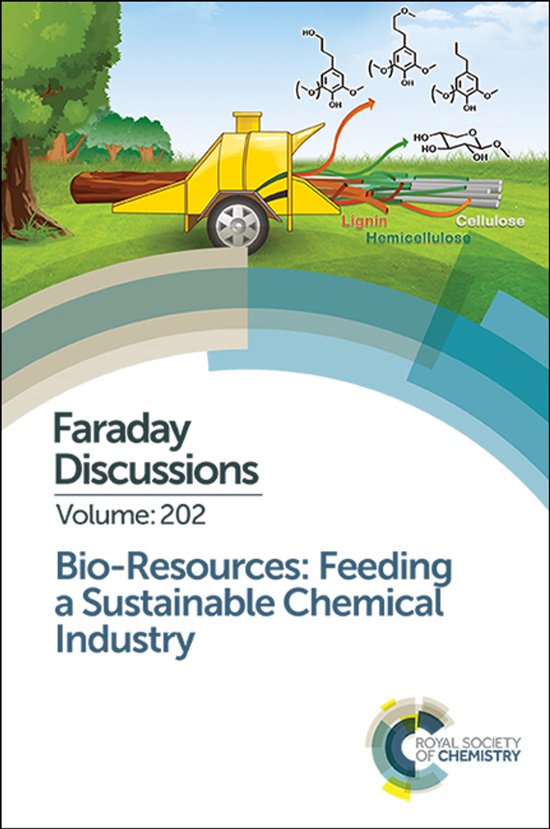
There is currently a rapid growth in interest in the use of renewable resources and, in particular, bio-resources for the manufacture of sustainable chemicals and materials. This movement has been encouraged by end-user concerns over the security of supply (for products based on traditional but diminishing feedstocks), legislation forcing substitution of many common (typically petroleum-based) chemicals, new standards for bio-based products designed to stimulate the markets in Europe and the USA, incentives, and consumer pressure. The first significant market movement in this direction was with biofuels, but the rush to produce these without proper consideration of competing uses for the resources or the efficiency of the manufacturing processes lead to considerable debate over the true sustainability of the products and processes. With increasing pressure in Europe, the USA and elsewhere to move towards bio-based chemicals, it is essential that the bio-economy is underpinned by sound and well-debated science and technology and that we embrace key chemical technologies including catalysis. This volume addresses some of the critical issues in this field by bringing together experts from different but complementary areas of the chemical sciences. The topics covered include: Bio-based materials, Bio-based chemicals, Conversion technologies, and Feedstocks and analysis.
There is a rapid growth of interest in the use of renewable resources, and in particular bio-resources for the manufacture of future, sustainable chemicals and materials. This movement is encouraged by end-user concerns over security of supply, legislation forcing substitution of many common chemicals, new standards for bio-based products and consumer pressure. With increasing pressure around the world to move towards bio-based chemicals, it is essential that the bio-economy is underpinned with sound science and technology. This Faraday Discussion addresses some of the critical issues in this field by bringing together experts in different but complementary areas in the chemical sciences. The book explores topics such as how green chemistry can complement biotechnology in the production of chemicals and materials; catalytic technologies best suited for the biomass challenge; biomass conversion technologies; and whether existing bio-based chemicals and materials should be used or new molecules and processes created to deal with new components.
LangueenVersionCouverture rigideDate de sortie initiale12 octobre 2017Nombre de pages527IllustrationsNon
Personnes impliquées
Editeur principal
Royal society of chemistry
Informations sur le fabricant
Nom du fabricantLibri GmbHAdresse électronique du fabricant[email protected]Informations sur le fabricantLes autres informations du fabricant ne sont actuellement pas disponibles
Autres spécifications
Hauteur de l’emballage33 mmHauteur du produit33 mmLargeur d’emballage156 mmLargeur du produit156 mmLivre d‘étudeOuiLongueur d’emballage234 mmLongueur du produit234 mmPoids de l’emballage918 gPolice de caractères extra largeNon
EAN
EAN9781782629542
Sécurité des produits
Opérateur économique responsable dans l’UE
Afficher les données
Vous trouverez cet article :
Catégories
Science et nature
Technologie et architecture
Livres de gestion
Technologie de l’énergie
Chimie industrielle
Terre et environnement
Énergie alternative
Environnement
Durabilité
Livres
Livre, ebook ou livre audio ?
Livre
Disponibilité
Disponible à l’adresse suivante
Langue
Anglais
Type de livre
Hardcover





Avis
Il n’y a pas encore d’avis.